Extracorporeal shockwave therapy (ESWT), also known as shockwave therapy, is now one of the most popular non-invasive treatments for chronic tendon pain, tennis elbow, calcific shoulder tendinitis, and even erectile dysfunction. You might be wondering what really happens in the room if your physiotherapist, sports doctor, or urologist told you to go there. This guide takes you through a typical session in Australia step by step, so you know exactly what to expect and why it doesn't have to be scary.
What Patients Can Expect During Shockwave Therapy Sessions

Arriving and the Initial Chat
When you go to the clinic for your first shockwave appointment after you book online, the session will usually be a little longer because the clinician needs to double-check the diagnosis and make sure there are no contraindications. You should expect to talk for 5 to 10 minutes. They'll want to know how much pain you're in, how long you've had the problem, what treatments you've tried before, and any medical history that matters or relates to pain management. For example, if you take blood-thinning medication, are pregnant, have cancer in the area, or have a pacemaker, you should tell them.
After the questions, the doctor will do a quick physical exam and often an ultrasound scan of the area that is causing problems. Ultrasound helps find the exact spot where degeneration or calcification is happening, so the shockwaves hit the right spot. At this point, they will also tell you how many sessions you will probably need. Most musculoskeletal conditions & treatments respond best to three to six weekly managements, while some newer protocols for erectile dysfunction may require six to twelve.
Getting Comfortable on the Treatment Bed
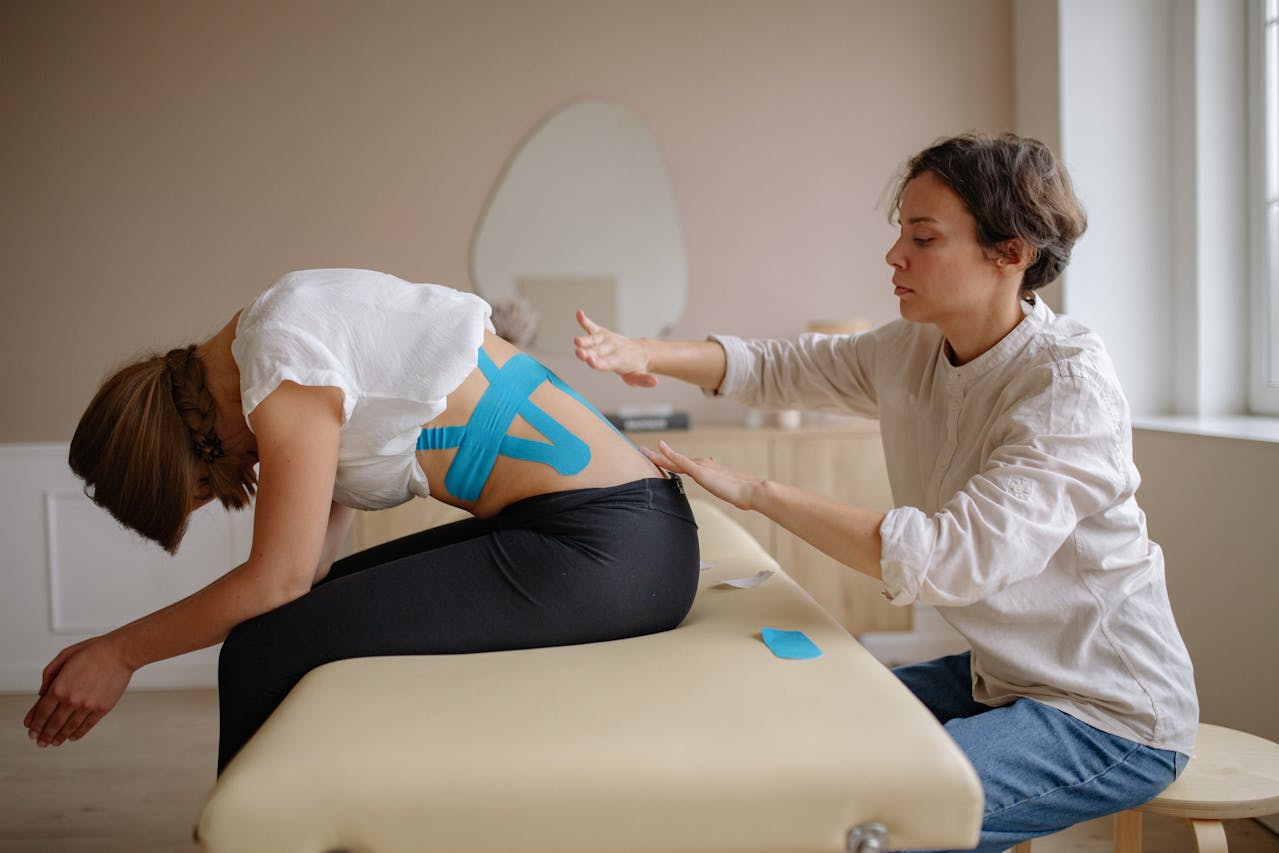
After the assessment, you will be taken to a treatment bed or chair. You only need to show the area that is hurting. For heel pain, you might take off your shoes and socks. For shoulder pain, you might wear a singlet or take off your shirt. They keep the room warm, and you can use a blanket or towel to cover up and feel comfortable.
The doctor will go over everything again right before they start, and they will always make sure you are okay with moving forward. Australian allied health and medical clinics take consent very seriously, more so with injuries and pain management.
The doctor will go over everything again right before they start, and they will always make sure you are okay with moving forward. Australian allied health and medical clinics take consent very seriously, more so with injuries and pain management.
The All-Important Gel
Shockwave devices, whether they are focused or radial, need something to carry the sound waves into the tissue. Ultrasound gel is that medium. The doctor sprays a lot of cool gel over the area being treated, just like you've seen in pregnancy scans. At first, the gel might feel a little cold, but it warms up quickly. It also lets the applicator head move smoothly without pulling on your skin.
Starting the Treatment: The First Few Pulses
A lot of clinics start with a low-energy "test run" so you can get used to the feeling. Some people say it feels like someone flicking an elastic band against their skin, while others say it feels like a tiny jackhammer. You'll feel a quick tapping or thumping. People don't often say it hurts, but it feels like a lot of pressure that builds up over the session. For sure, these aren’t side effects.
The doctor will slowly raise the energy level until they reach the therapeutic level that studies show starts soft tissue regeneration. You should talk the whole time. They just turn down the intensity if something feels too uncomfortable. Good clinics take pride in making sure the treatment isn't too painful.
The doctor will slowly raise the energy level until they reach the therapeutic level that studies show starts soft tissue regeneration. You should talk the whole time. They just turn down the intensity if something feels too uncomfortable. Good clinics take pride in making sure the treatment isn't too painful.
What the Different Machines Feel Like
In Australia, there are two main kinds of shockwave devices. Most physiotherapy offices use radial (or ballistic) devices. They feel like hard, repeated thumps and most people can handle them. Focused shockwave machines, which are often used in sports medicine centres and some urology clinics, send out a stronger, more focused pulse. The feeling is stronger but doesn't last as long. A lot of people say that the first 50 to 100 shocks of a focused treatment are the most noticeable. After that, the area goes numb and the rest of the treatment feels easier.
A typical session lasts 5 to 15 minutes and gives between 2000 and 4000 shocks, depending on the condition and the machine.
The Sounds and Vibrations You’ll Notice
Don't worry about the noise. Radial devices make a loud "rat-a-tat-tat" sound like a machine gun. When you focus on them, machines sound more like a sharp click or pop. Some clinics give out headphones with music to help people get used to the sound. You will also feel vibrations moving into nearby buildings. People who are getting treatment for Achilles tendinitis often feel it in their calves, and people who are getting treatment for plantar fasciitis might feel it in their toes.
During the Session: Redness and Warmth
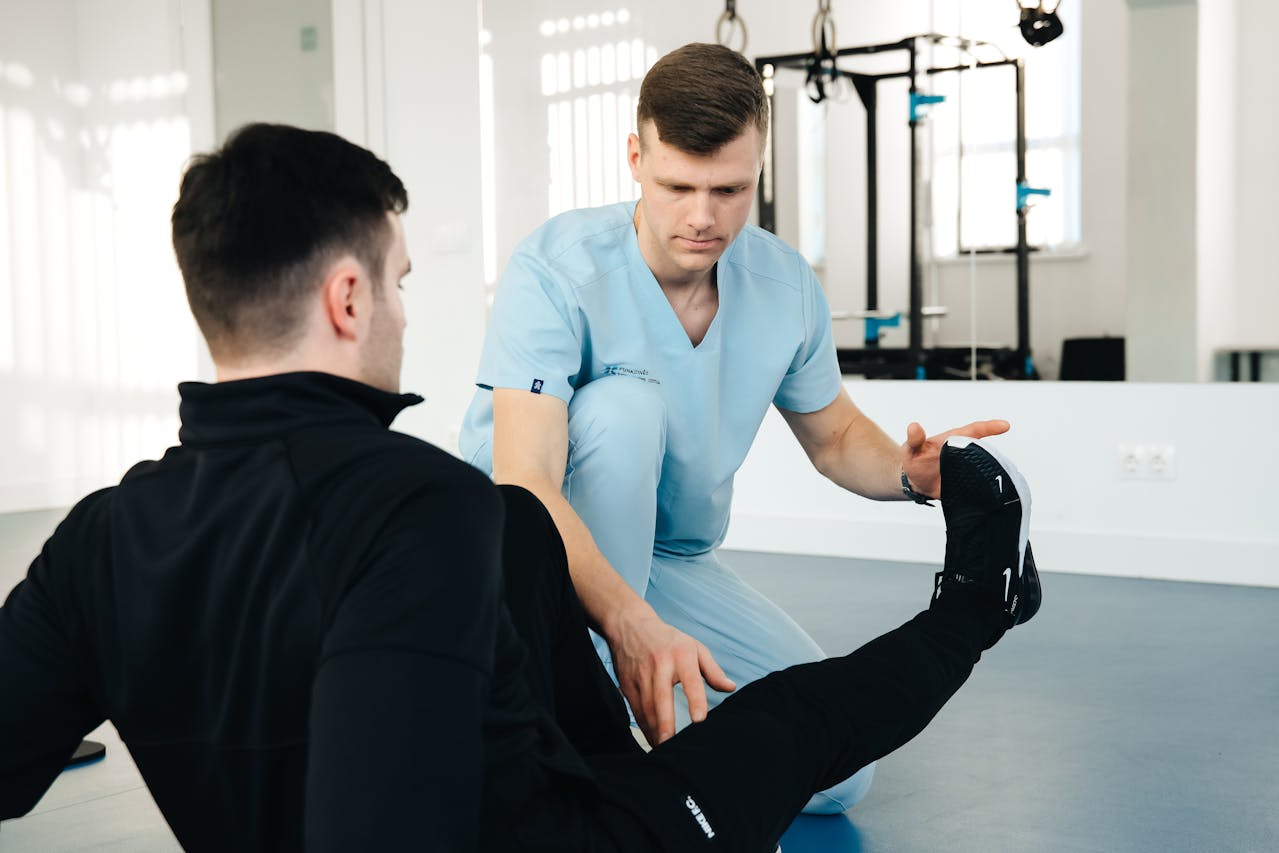
The treated area usually turns pink or red and feels warm by the halfway point. That's totally normal; it means the tissue is reacting. Some people say that the painful spot they came in with feels less tender while the machine is running. One reason physiotherapists love to use it with exercise programmes is because it works right away to relieve pain.
Finishing Up and Cleaning the Gel
When the counter reaches zero, the machine stops on its own. The doctor wipes off the gel with a warm towel (most clinics warm the towels, which is nice). You might have a small red patch or tiny dots where the applicator pressed the hardest. These go away in an hour or two.
Right After Treatment: The Famous “Post-Shockwave Soreness”
Most people feel some pain in the 2 to 24 hours after a session. It feels like you've been working out hard at the gym for years—like your muscles are sore or heavy. This is actually a good sign; it means that the body's natural healing processes have started. If you need something, paracetamol is usually enough. Do not take anti-inflammatories like ibuprofen for the first 48 hours. We want the body's natural inflammatory healing phase to work.
Downtime and Activity Guidelines
Shockwave therapy has almost no downtime, which is one of its best features. You can drive yourself home and get back to work right away. Most doctors will let you walk normally while you heal your lower limbs, but they may suggest that you stay away from running or jumping sports for 24 to 48 hours. If you've had treatment for your shoulder, you should keep using your arm normally, but you should avoid heavy lifting and sports that require you to lift your arms over your head for a day or two.

The Days and Weeks That Follow
Improvement doesn't happen right away. Over the next 6 to 12 weeks, your body will lay down new collagen and improve blood flow. This is when the real magic happens. A lot of patients see the first big change around the third or fourth session. About 70–90% of people with chronic plantar fasciitis, tennis elbow, or Achilles tendinopathy say they feel much better or completely better by the end of a standard course (Australian data is similar to international studies).
Some clinics schedule a follow-up ultrasound four to six weeks later to see how the healing is going. It's very reassuring to see that the tendon fibres are thicker and more organised.
How to Handle Your Expectations
It's important to remember that shockwave works best when used with a targeted loading programme. Your physiotherapist will give you specific exercises to do to gradually make the healed tissue stronger. Patients who do their homework usually do better.
Final Thoughts: It’s Quicker and Gentler Than You Think
It can be scary to start a new treatment, but shockwave therapy sessions are short, controlled, and surprisingly bearable. It takes a minute to get used to the noise and the thump, but most Australians who have done a course say they would do it again if the pain came back. If you have tendon injuries or heel pain that has been making your life hard, this could be the drug-free, surgery-free option that finally lets you move around freely again.
Talk to your sports doctor or trusted physiotherapist right away. They'll be able to tell you in one visit if you're a good candidate, and soon enough you'll be one of those patients who says to their friends, "Honestly, it really wasn't that bad."


